

Sneezing and Leaking? Why Normal Doesn't Mean You Have to Live With It.
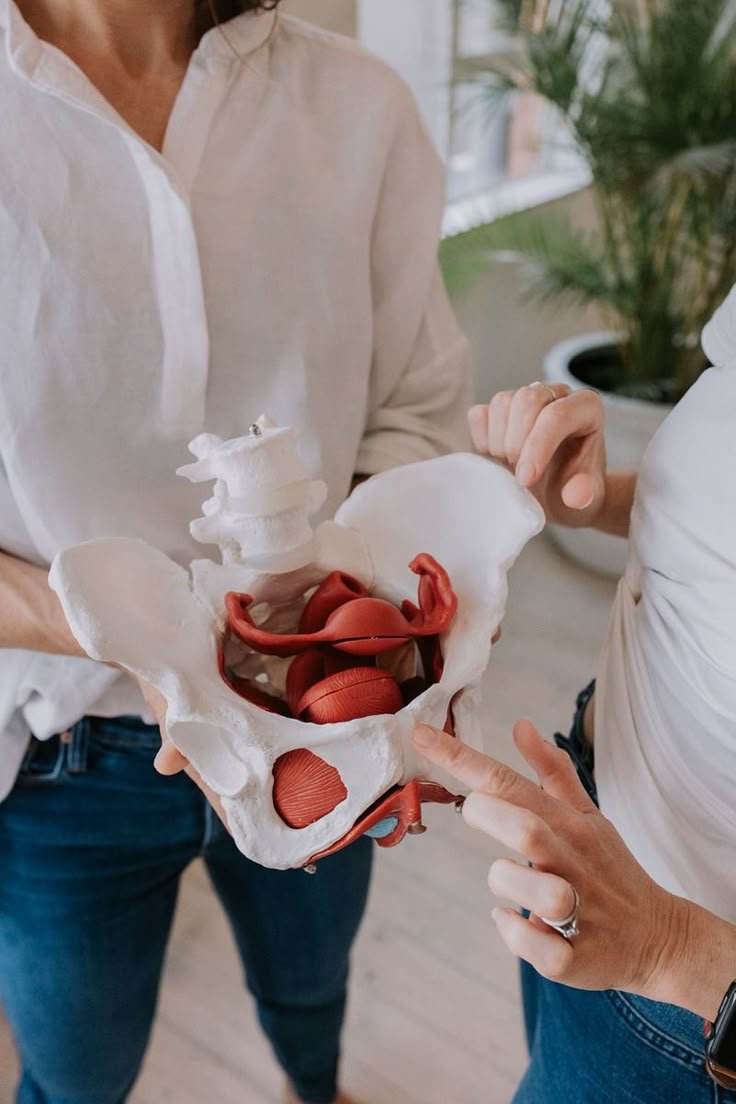
We have all been there, or at least heard it shared in whispered laughs among friends, maybe a sudden laugh, a heavy lift at the gym, or an unexpected sneeze, followed by that familiar, frustrating moment of panic.
In our culture, pelvic floor changes (especially after childbirth or as we navigate new chapters of life) are often treated as an inevitable rite of passage. We are told to accept it, pack the extra liners, and laugh it off.
But there is a vital difference between a symptom being common and it being normal.
It is a common clinical scenario: a patient reports urinary leakage during sneezing, coughing, or high-impact exercise. In the British and wider culture, I always see that these symptoms of pelvic floor dysfunction are often dismissed as an inevitable consequence of childbirth or aging. However, from a clinical perspective, there is a vital distinction between a symptom being statistically common and it being physiologically "normal."
Living with untreated pelvic floor dysfunction is not a requirement. Recent clinical guidelines and scientific literature strongly support early, specialized, and conservative intervention.
The UK Clinical Guidelines
The UK’s National Institute for Health and Care Excellence (NICE) explicitly addresses this in their NG210 guidelines (published in December 2021). NICE recommends non-surgical management, specifically supervised Pelvic Floor Muscle Training as a first-line treatment for pelvic floor dysfunction. 1
Crucially, the guidance underscores that simply providing a patient with a generic leaflet on pelvic exercises is insufficient. Rehabilitation must be structured, tailored to the individual's specific anatomy, and supervised by a specialist to ensure correct muscle activation and adherence. 1
What the Recent Science Tells Us
Dismissing mild incontinence can lead to compounding health issues. A 2021 systematic review by Dakic et al. highlighted that pelvic floor symptoms act as a significant, yet frequently overlooked, barrier to women participating in routine physical activity. When individuals cease exercising due to the anxiety of leaking or pelvic heaviness, it negatively impacts their cardiovascular health, musculoskeletal strength, and psychological well-being. 2
Furthermore, a 2026 multidisciplinary consensus published in the International Urogynecology Journal advocates strongly for a shift away from the traditional "wait and see" approach. The research demonstrates that early, individualized physiotherapy, focusing on muscle coordination, whole-body movement, and pressure management, drastically improves outcomes for incontinence, obstructed defecation, and pelvic organ prolapse.3
The Expert Perspective: Moving Beyond the "Kegel"
As specialist physios, we understand that pelvic health is highly complex. The pelvic floor is a dynamic muscular structure that must manage intra-abdominal pressure in perfect coordination with the diaphragm (breathing) and deep core musculature (your inner and deeper abs).
In many cases, patients presenting with incontinence do not actually have a weakness deficit; rather, they present with hypertonicity (overactive, tight muscles). A hypertonic pelvic floor is essentially fatigued and unable to respond effectively to sudden physical loads, like a cough or a jump. It is too tired to work in a functional way with you. Prescribing standard strengthening exercises to an already overactive pelvic floor can inadvertently exacerbate symptoms, which can mean making them weaker.
This is why a comprehensive, specialised assessment is critical. We evaluate your biomechanics, breathing patterns, and functional movement to determine the root cause of the dysfunction, rather than simply treating symptoms.
Taking Proactive Steps
You do not need to accept discomfort or alter your lifestyle to accommodate pelvic floor dysfunction. Evidence-based physiotherapy offers a clear, structured pathway to restoring optimal function, confidence, and long-term quality of life.
If you are experiencing symptoms and wish to explore an individualised, research-backed treatment plan, we invite you to book a clinical assessment.
Click here to join our appointments waitlist.
References:
National Institute for Health and Care Excellence (NICE). (2021). Pelvic floor dysfunction: prevention and non-surgical management (NICE Guideline NG210). Published December 9, 2021.
Dakic, J. G., Cook, J., Hay-Smith, J., Lin, K.-Y., & Ekegren, C. (2022). Pelvic Floor Symptoms Are an Overlooked Barrier to Exercise Participation: A Cross-Sectional Online Survey of 4556 Women Who Are Symptomatic. Physical Therapy, 102(3).
Traugott, A. L., Barten, J., Bordeianou, L., Carboni, C., Carver, D. J., et al. (Pelvic Floor Disorders Consortium Work Group). (2026). Incorporating Pelvic Floor Physical Therapy in the Treatment of Obstructed Defecation Syndrome and Posterior Compartment Pelvic Organ and Rectal Prolapse. International Urogynecology Journal.